
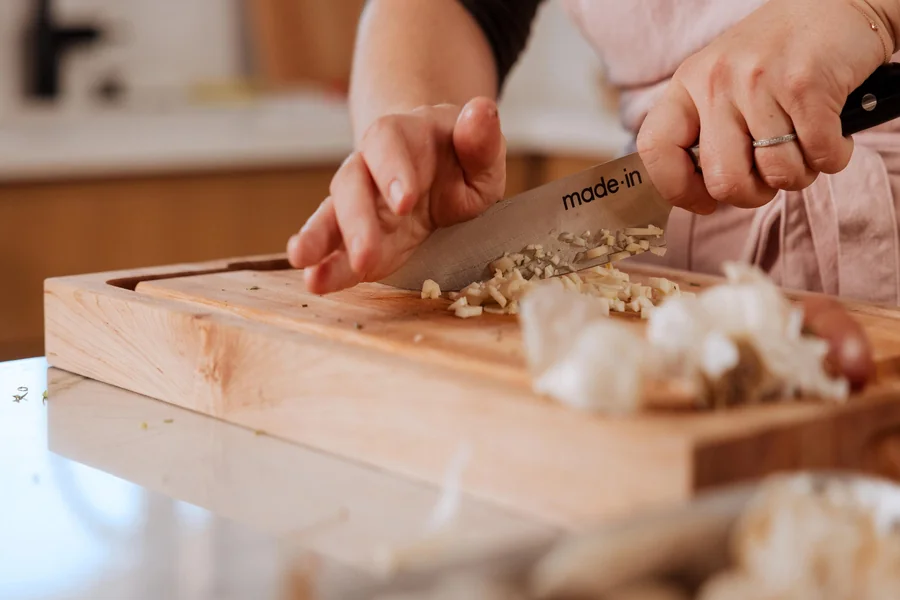
The kitchen is one of the most frequently used spaces in any home, and even small changes can make a noticeable difference in how we prepare meals. From choosing better cookware to investing in quality kitchen tools, home cooks are becoming more thoughtful about the products they use every day.
One kitchen essential receiving renewed attention is the cutting board. While plastic cutting boards have long been popular because of their affordability and convenience, wooden cutting boards are attracting homeowners who appreciate natural materials, durability, and timeless design.
But what makes wooden cutting boards worth considering, and how do they compare to their plastic counterparts?
1. A Growing Appreciation for Natural Kitchen Materials
Modern kitchen design increasingly incorporates natural materials such as wood, stone, and ceramic. These materials add warmth and character to spaces that might otherwise feel overly industrial.
Wooden cutting boards fit naturally into this approach. Unlike brightly colored plastic boards, hardwood cutting boards complement a wide variety of kitchen styles, from rustic farmhouse interiors to contemporary minimalist designs.
A well-crafted wooden cutting board can also serve multiple purposes. Beyond food preparation, it can be used to present bread, cheese, and other foods, making it both a practical kitchen tool and an attractive serving accessory.
For homeowners who value function and appearance, this versatility is a significant advantage.
2. Understanding the Differences Between Plastic and Wood
Plastic and wooden cutting boards each have advantages, and choosing between them often depends on cooking habits and maintenance preferences.
Plastic cutting boards are typically lightweight, inexpensive, and easy to replace. Many are dishwasher-safe, making them convenient for busy households.
However, repeated knife use can create grooves in plastic surfaces. These grooves may become difficult to clean thoroughly, particularly as the board ages.
Wooden cutting boards offer a different experience. Quality hardwood surfaces provide a stable cutting area and can remain functional for many years when properly maintained.
Wood does require additional care. Most wooden cutting boards should be hand-washed, dried promptly, and periodically conditioned with an appropriate food-safe product.
Both materials can be used safely when cleaned and maintained correctly. Deeply damaged cutting boards, regardless of material, should be repaired or replaced when they can no longer be cleaned effectively.
3. Why Hardwood Quality Matters
Not all wooden cutting boards are created equal.
The type of wood, construction method, thickness, and finishing process can significantly influence a cutting board’s durability and performance.
Hardwoods such as maple, walnut, and cherry are popular choices because they offer an appealing combination of strength, workability, and appearance.
Maple cutting boards are known for their light color, fine grain, and durable cutting surfaces. Hard maple is particularly popular in traditional butcher blocks and kitchen cutting boards.
Walnut cutting boards offer rich, dark tones that create an elegant appearance. Walnut is often selected by homeowners who appreciate distinctive natural grain patterns.
Cherry cutting boards feature warm reddish-brown coloring that typically deepens with age and exposure to light.
Each hardwood offers a different aesthetic, allowing homeowners to choose a cutting board that complements their kitchen and personal preferences.
4. A Long-Term Alternative to Disposable Kitchen Products
One reason consumers are reconsidering their kitchen purchases is the desire to buy products that last.
Low-cost kitchen accessories may seem economical initially, but frequent replacement can increase long-term expenses and waste.
A quality hardwood cutting board represents a different purchasing approach: investing in a durable item and maintaining it over time.
Wooden boards can sometimes be resurfaced to remove shallow scratches and signs of wear, extending their useful life.
This does not mean every wooden cutting board will automatically outlast every plastic board. Longevity depends on material quality, construction, frequency of use, and proper care.
Nevertheless, choosing a well-made cutting board with long-term use in mind can help reduce unnecessary replacement purchases.
5. The Appeal of Handmade Wooden Cutting Boards
Mass-produced kitchen products are widely available, but handmade wooden cutting boards offer something different.
Craftsmanship, wood selection, and attention to detail can make each board visually distinctive.
Natural hardwood grain patterns ensure that no two boards look exactly alike. Even boards made from the same species can display variations in color, texture, and character.
For shoppers interested in American-made kitchen accessories, specialty woodworkers and independent brands provide alternatives to generic, mass-produced products.
Companies such as Woods and Wax focus on handcrafted hardwood cutting boards and natural wood products, appealing to consumers who appreciate traditional woodworking and functional kitchen design.
When selecting a handmade cutting board, buyers should consider the hardwood species, board dimensions, construction quality, surface finish, and recommended maintenance practices.
A beautiful board should also be practical for everyday food preparation.
6. Proper Care Makes a Difference
Wooden cutting boards are relatively simple to maintain, but a consistent care routine is essential.
After use, wash the board with warm water and mild dish soap. Avoid soaking it in water or placing it in the dishwasher unless the manufacturer specifically states that the product is dishwasher-safe.
Dry the board promptly and allow air to circulate around its surfaces.
Periodically applying food-grade mineral oil or a cutting board conditioner can help prevent excessive drying. The appropriate frequency depends on how often the board is used and the conditions in the kitchen.
Avoid using cooking oils that can become rancid over time.
For food safety, clean boards thoroughly after preparing raw meat, poultry, or seafood, and prevent cross-contamination by using separate preparation surfaces when appropriate.
These simple habits can help preserve a wooden cutting board’s appearance and functionality.
7. Choosing the Right Cutting Board for Your Kitchen
Before purchasing a new cutting board, consider how it will be used.
Home cooks who frequently prepare vegetables may prefer a spacious hardwood board that provides plenty of room for chopping.
Those with limited counter space may benefit from a smaller, lightweight board that is easier to store.
For entertaining, a visually appealing hardwood board can double as a serving surface.
Thickness and weight are also important. Heavier boards may offer greater stability, while lighter boards can be easier to move and clean.
Ultimately, the best cutting board is one that balances functionality, craftsmanship, maintenance requirements, and personal style.
Final Thoughts
The growing interest in wooden cutting boards reflects a broader appreciation for natural materials and thoughtfully made household products.
Plastic cutting boards remain a practical option for many kitchens, but hardwood boards offer their own advantages, including attractive design, long-term usability, and the opportunity to support skilled craftsmanship.
For home cooks looking to upgrade their kitchen essentials, a quality wooden cutting board can be a worthwhile addition.
By choosing suitable materials and maintaining them properly, homeowners can enjoy a kitchen tool that combines everyday usefulness with the natural beauty of hardwood.