
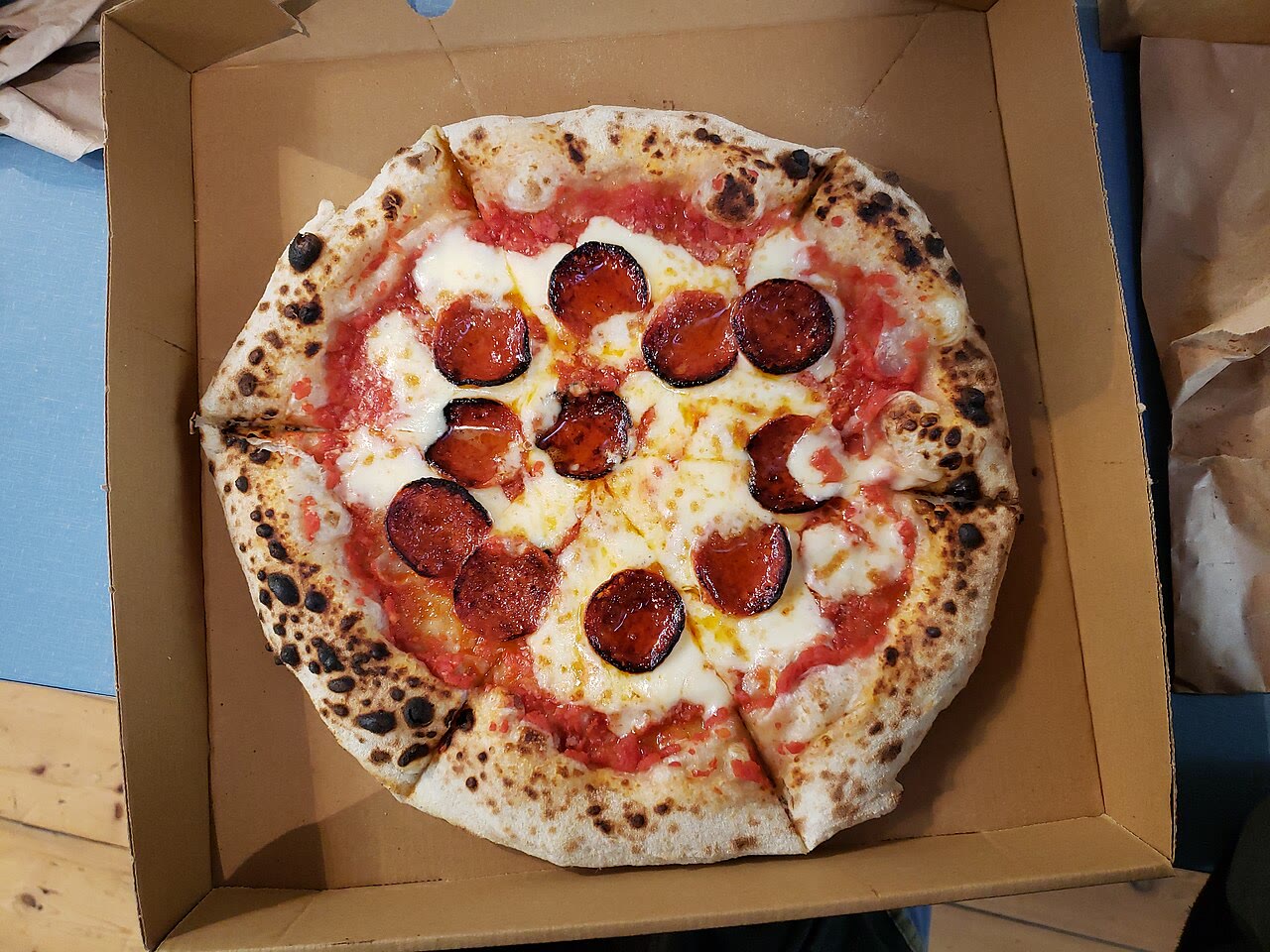
Walk through a pizza menu and the pepperoni sits there with no description. It’s red, a little greasy and everybody assumes they know what it is. Then someone at the table keeps halal, or doesn’t eat pork, and the question comes up: what meat is it, really?
If you’ve ever asked is pepperoni pork, the traditional answer is yes, but with some real exceptions worth knowing.
The classic recipe
Pepperoni began as an Italian-American take on spicy salami. Traditional versions use a mix of pork and beef, ground together with paprika or chili, garlic, salt and a few other spices. The mixture is stuffed into casings, fermented, then dried. The tangy bite comes from that fermentation.
So the normal supermarket stick is not pure pork. It usually contains both, and the ratio varies by brand. Some lean heavily toward pork for fat and flavor, while others use more beef.
Pork-free options exist
Here’s the part many people miss. A growing number of brands sell pepperoni made only from beef, turkey or chicken. These are common in halal and kosher markets, and you’ll find them at ordinary grocery stores as well. They taste a little leaner and sometimes a bit drier, because pork fat is what gives classic pepperoni its glossy, oily finish.
Look for wording on the label such as “100% beef pepperoni,” “turkey pepperoni,” or a halal or kosher certification mark. If the pack only says “pepperoni,” assume it contains pork unless the ingredient list proves otherwise.
How to read an ingredient list
Skip the front of the package and read the back. Here’s what to look for:
- “Pork” or “pork and beef” near the start means it’s the traditional style.
- “Beef” or “turkey” alone means it’s a pork-free version.
- “Mechanically separated chicken” shows up in some cheaper cuts. It’s not pork, but it’s not premium either.
- Certification logos from a halal or kosher authority give you more confidence than a marketing line.
Eating out is harder
At a chain pizzeria, you usually can’t see the label. Most big chains use a pork-and-beef pepperoni by default. Ask whether a pork-free version is available, and don’t assume that a “beef pepperoni” line on the menu is made separately from the pork one, since cross-contact on a shared oven or slicer can be an issue if you follow strict rules. A small local shop will often answer more openly than a national chain’s app.
Why pepperoni tastes the way it does
The red color comes partly from paprika and partly from curing ingredients. The curl at the edges of a baked slice, which people call “cupping,” happens because the casing shrinks faster than the meat as it heats. The little pools of orange oil are rendered fat. That’s one reason pork content matters for taste: it’s where much of the richness comes from.
What about vegetarian pepperoni?
Plant-based pepperoni exists too, usually made from wheat protein, soy or mushrooms with the same spice mix. It won’t fool a purist, but it does well on a hot pizza and is clear of animal ingredients entirely.
If you like quick, plain answers to “what’s actually in this” and similar questions, compairro.com collects plenty of them.
A practical example: if you’re ordering for a mixed group, say an office lunch with colleagues who have different diets, get one large pizza with regular pepperoni and a separate one with a clearly labeled turkey or plant-based topping. Keep them in separate boxes and ask the shop to use clean utensils. Doing that takes thirty seconds on the phone and saves an awkward moment when the boxes open. People appreciate it more than you’d expect.
Bottom line
Standard pepperoni is made with pork, usually mixed with beef. If you avoid pork, buy a labeled beef, turkey or plant-based version, and read the back of the pack before the front.