
Remote-controlled (RC) vehicles are a thrilling hobby that combines engineering, speed, and creativity. Whether you’re racing a high-speed buggy, crawling over rocks, or drifting on pavement, the performance of your RC vehicle largely depends on its power system. Selecting the right power system can make the difference between an average ride and an exhilarating experience. This guide will help you understand the factors involved and make an informed choice.
Understanding RC Vehicle Power Systems
An RC vehicle’s power system primarily consists of the motor, battery, and electronic speed controller (ESC). These components work together to convert electrical energy into motion, and the efficiency and compatibility of each part affect the vehicle’s speed, torque, and runtime. There are two main types of motors used in RC vehicles: brushed and brushless.
Brushed Motors
Brushed motors are the traditional choice for RC vehicles. They are relatively inexpensive, simple to maintain, and provide a good balance of speed and torque. Brushed motors use a set of brushes to transfer electrical current to the motor’s rotating armature. While they are less efficient than brushless motors, they are highly forgiving for beginners due to their lower cost and straightforward design.
Pros:
- Affordable and widely available
- Easy to replace and maintain
- Suitable for casual driving and beginner RC vehicles
Cons:
- Less efficient, generating more heat
- Slower speeds compared to brushless motors
- Brushes wear out over time, requiring replacement
Brushless Motors
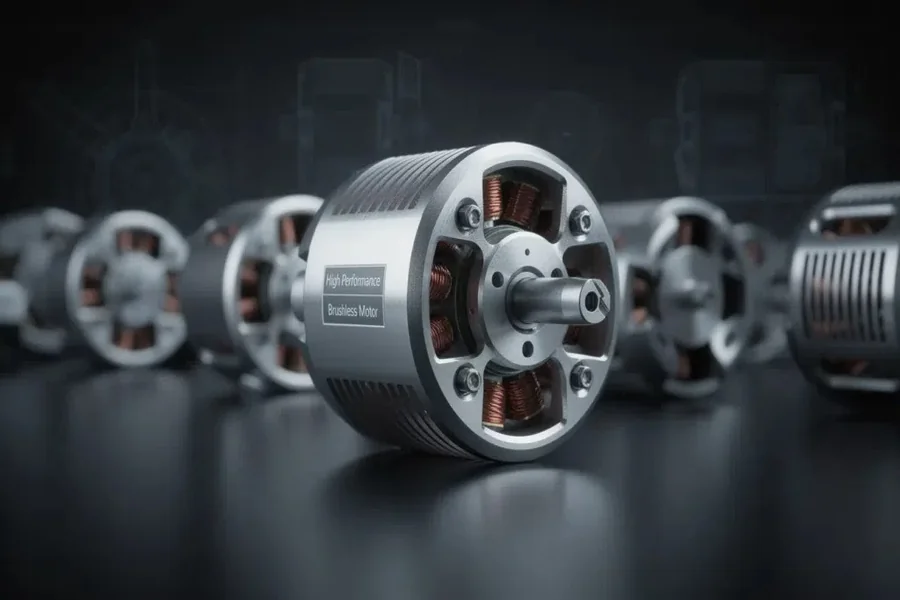
Brushless motors are more advanced and offer superior performance. They use electronic controllers instead of brushes to manage current, resulting in higher efficiency, less maintenance, and longer lifespan. Brushless motors are capable of achieving higher speeds and delivering more precise control, making them ideal for competitive racing or high-performance RC vehicles.
Pros:
- High efficiency and speed
- Low maintenance and longer lifespan
- Better torque control for performance driving
Cons:
- More expensive than brushed motors
- Require a compatible ESC
- May be more complex for beginners to install
Battery Options: LiPo vs NiMH
Once you’ve chosen a motor, selecting the right battery is crucial. The two most common types are Lithium Polymer (LiPo) and Nickel-Metal Hydride (NiMH).
NiMH Batteries
NiMH batteries are known for their durability and simplicity. They are forgiving, making them suitable for beginners or casual RC hobbyists. NiMH batteries are less sensitive to charging practices, meaning they can handle minor mistakes without damaging performance. However, they tend to be heavier, offer less power density, and provide shorter run times compared to LiPo batteries.
Pros:
- Durable and forgiving for beginners
- Easy to charge and maintain
- Less expensive than LiPo batteries
Cons:
- Lower energy density, resulting in shorter run times
- Heavier, which can affect vehicle performance
- Slower discharge rate, limiting maximum speed potential
LiPo Batteries
LiPo batteries have become the standard for high-performance RC vehicles due to their high energy density and lightweight design. They can deliver higher voltage and current, providing more speed and longer run times. LiPo batteries also support a higher discharge rate, which is essential for powerful brushless motors. However, they require careful handling, proper storage, and compatible chargers to avoid damage or safety risks.
Pros:
- Lightweight and high power output
- Longer run times with high-performance motors
- Supports fast discharge for speed and torque
Cons:
- Sensitive to overcharging, over-discharging, and physical damage
- Requires specialized chargers and careful handling
- Generally more expensive than NiMH batteries
Electronic Speed Controllers (ESC)
The ESC regulates power from the battery to the motor. For brushed motors, the ESC is relatively simple, controlling speed and direction. For brushless motors, the ESC must be compatible with the specific motor type and provide precise control over acceleration and braking. When selecting an ESC, consider the motor’s voltage and current requirements to avoid overheating or damage. A high-quality ESC can improve throttle response, efficiency, and overall control.
Matching Components for Optimal Performance
The key to a successful power system is compatibility. A powerful brushless motor paired with a low-capacity NiMH battery may underperform, while a high-capacity LiPo battery with a brushed motor could lead to unnecessary weight and inefficient performance. Consider these factors:
- Motor and ESC Compatibility: Ensure the ESC can handle the motor’s voltage and current demands.
- Battery Voltage and Capacity: Higher voltage batteries provide more speed but can strain motors if they are not rated for it. Capacity affects run time; higher mAh ratings generally allow longer operation.
- Vehicle Type: Racing buggies benefit from brushless motors and LiPo batteries for speed, while rock crawlers prioritize torque and may perform better with brushed motors and NiMH batteries.
Practical Tips for Choosing the Right Power System
- Start with your experience level: Beginners may prefer brushed motors with NiMH batteries for simplicity and reliability. Advanced users seeking speed and precision should consider brushless motors with LiPo batteries.
- Check manufacturer recommendations: Always refer to your RC vehicle’s specifications for motor and battery compatibility. You can also browse an RC online store to compare different motors, batteries, and ESCs before making a purchase.
- Consider weight and balance: Batteries and motors contribute significantly to the vehicle’s weight. Improper balance can affect handling, especially in off-road vehicles.
- Plan for maintenance: Brushed motors require occasional brush replacement, while LiPo batteries need careful monitoring and proper storage. Factor this into your decision.
- Budget realistically: High-performance systems can be expensive. Consider whether you want maximum speed and efficiency or a more budget-friendly, easy-to-maintain setup.
Choosing the right power system for your RC vehicle is not just about picking the most powerful motor or the highest-capacity battery. It’s about finding a balanced combination that matches your vehicle type, driving style, and experience level. Brushed motors and NiMH batteries offer simplicity and reliability for beginners, while brushless motors paired with LiPo batteries unlock speed, precision, and high-performance potential for advanced hobbyists.
By understanding the differences between motors, batteries, and ESCs—and how they work together—you can build a power system that maximizes performance, efficiency, and fun. Whether you’re tearing up a racetrack, tackling rocky terrain, or enjoying casual drives, the right power system will keep your RC adventures thrilling, reliable, and unforgettable.